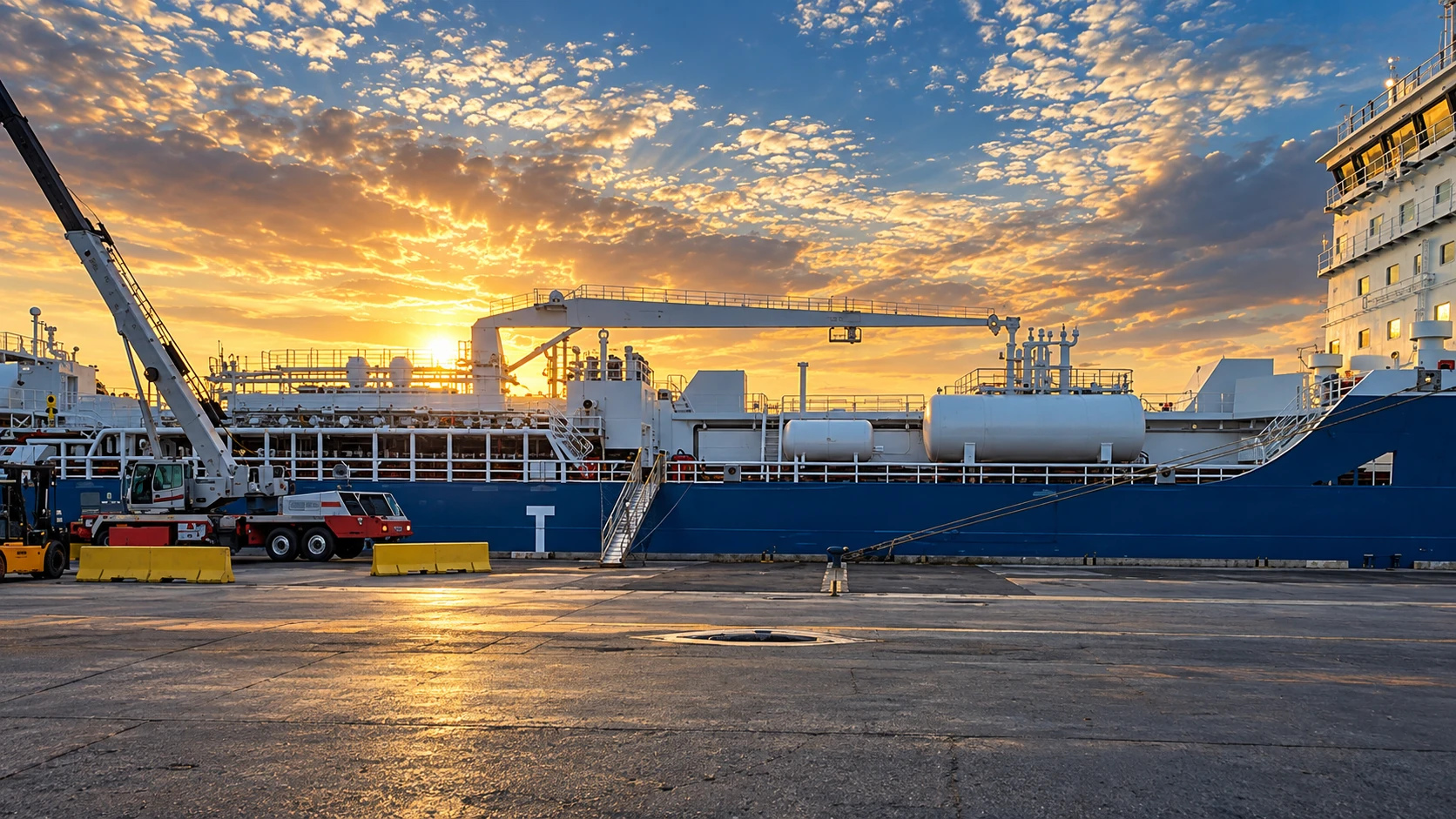
At Talleyrand, more LNG capacity had to fit inside a constrained terminal. A custom stackable arrangement was initially considered unworkable. Timothy developed it into a four-level, two-sided system with 40 ISO tanks, providing 1,600 m³ of nominal storage.
Steel and foundations had to work with pressure management, cryogenic protection, fire safeguards and automated controls. Through formal engineering and an equivalent-safety approach to NFPA 59A constraints, the design secured acceptance from the authority having jurisdiction.
This formed part of wider owner-side work across Maxville production and Talleyrand terminal expansions, connecting construction, commissioning and live operations. Maxville’s constructed expansion included a new liquefaction system rated at 115,000 US gallons/day, approximately 435 m³/day.
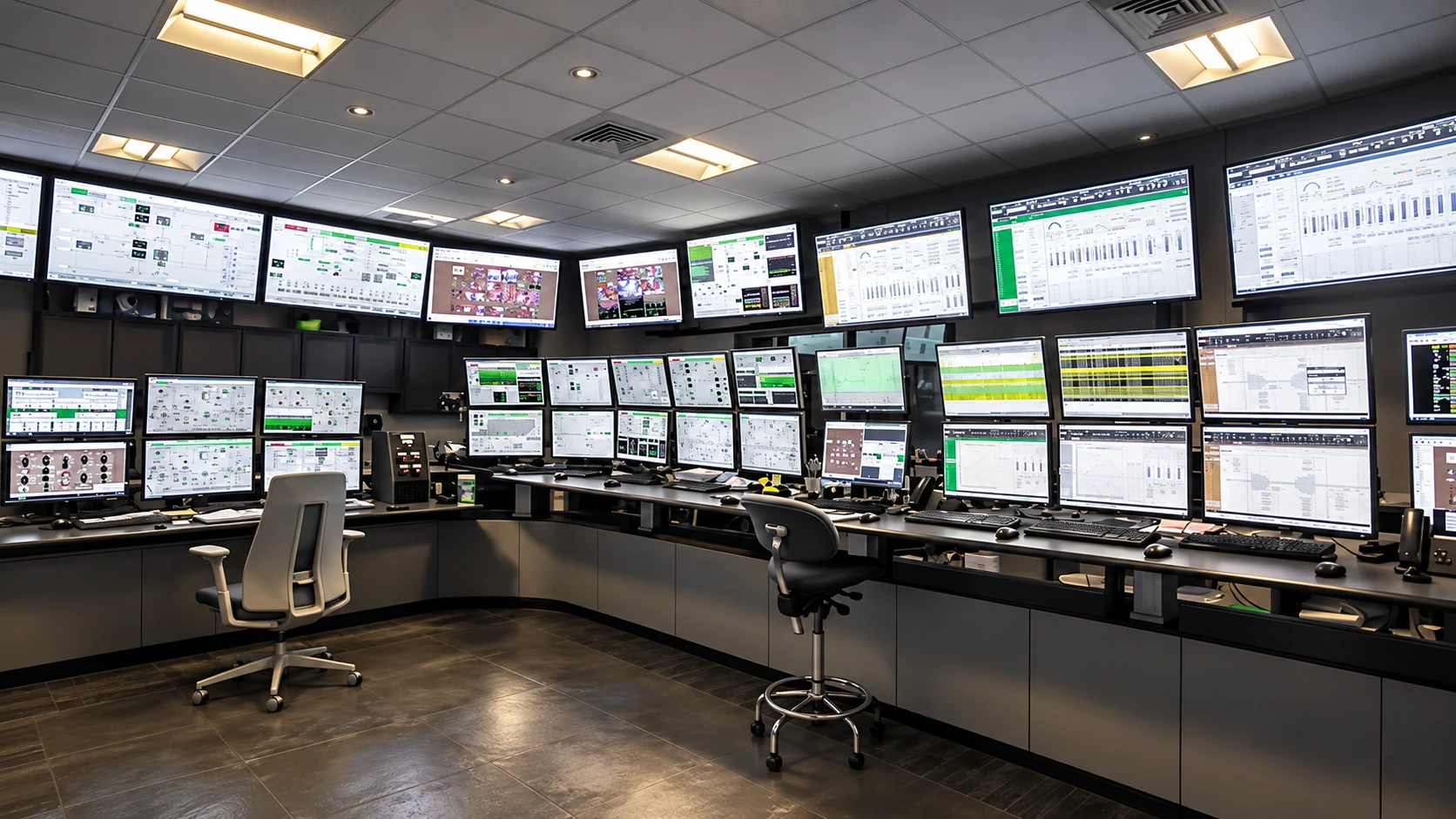
The work required one operating view across construction, equipment, controls and live terminal activity. A fractional role brings that view into the decisions your team faces regularly.
Explore the expansion, design and evidence
The ISO figure is 40 tanks × 40 m³: nominal installed tank volume, not working fill capacity or a combined total including fixed tanks. The stackable arrangement used formal engineering, cryogenic/fire safeguards, pressure builders, controlled leak routing and drip trays, filling/venting controls, detection and Florida wind/fire requirements.
The Maxville number is the new expansion system’s nameplate rating. It does not represent measured daily throughput or a new aggregate total for the plant.
JAXPORT / Tim & ISO expansion context
Jacksonville / expansion construction record
Full construction and international record ↓